

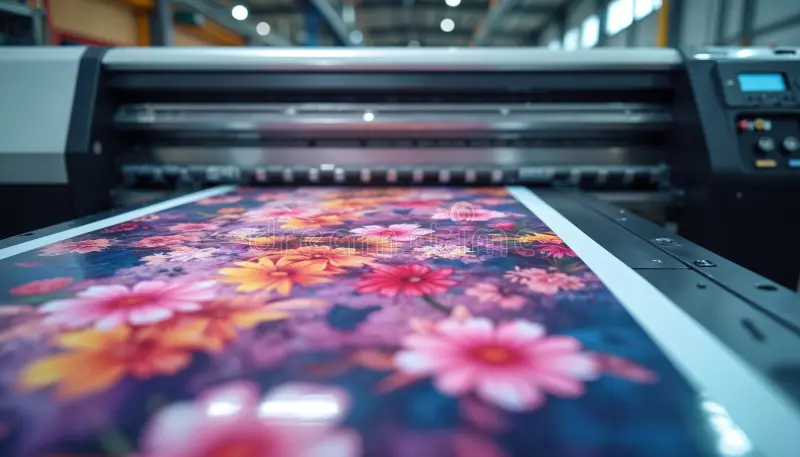
When a consumer encounters a physical product, the visual graphics printed on the box are only part of the sensory equation. Long before the ink meets the paper, an intricate discipline of engineering takes place: structural packaging design.
In the modern manufacturing landscape, the box, carton, or container is not merely a protective shell. It is a dynamic three-dimensional machine that must withstand supply chain stress, optimize freight efficiency, and deliver an intuitive unboxing experience—all while adhering to strict zero-waste sustainability goals.
The Physics of Folding and Structural Integrity
Structural packaging design relies on precise geometry, material physics, and load-bearing mechanics. Whether designing a lightweight cosmetic carton or a heavy-duty corrugated shipping box, designers must calculate how weight is distributed across folds, creases, and flutes.
Advanced computer-aided design (CAD) software allows engineers to simulate crush resistance, stacking strength, and drop impact before a single physical prototype is cut. Key structural considerations include:
- Flute Profiles in Corrugated Board: Choosing the right flute size—from thick C-flutes designed for maximum cushioning to thin E-flutes that offer a smooth, highly printable surface for retail display—determines the structural backbone of the package.
- Locking Mechanisms and Glued Joints: Eliminating excessive plastic tape or toxic adhesives by engineering clever interlocking tabs and self-sealing flaps that snap securely into place under tension.
- Ergonomic Functionality: Designing closures that are easy for consumers to open and reclose, enhancing usability for pantry items, electronics, and subscription boxes.
Freight Optimization and Dimensional Weight
Sustainability in packaging begins with space utilization. Shipping empty air is an environmental and financial drain. Structural designers increasingly focus on right-sizing packaging to align with modern carrier pricing models based on dimensional weight.
By engineering collapsible or multi-functional cartons that ship flat and assemble efficiently at the fulfillment center, brands reduce the number of transport trucks on the road. Furthermore, precise structural geometry ensures that products fit snugly inside master cartons, eliminating the need for petroleum-based bubble wrap or packing peanuts.
Monomaterial Design for Seamless Recycling
The ultimate frontier of structural cartoning is the complete elimination of multi-material laminates. For years, premium packaging relied on gluing plastic windows into cardboard boxes or coating paper with polyethylene films to resist moisture, rendering the entire package unrecyclable.
Innovations in structural shaping now allow designers to create rigid, moisture-resistant barriers purely out of cellulose fibers through advanced thermoforming and biodegradable aqueous coatings. When a carton is constructed from a single material stream, recycling becomes frictionless.
Form Meets Function
The evolution of structural packaging proves that the physical container is an unsung hero of industrial design. By marrying mathematical precision with ecological mindfulness, structural cartoning ensures that what protects our products also respects our planet.