

The digital entertainment landscape has shifted dramatically over the past decade, driven by rapid advancements in mobile hardware and cloud infrastructure. Interactive gaming platforms, which once depended heavily on localized hardware installations, now function through complex cloud architectures capable of rendering and processing low-latency experiences across millions of concurrent devices. This transition has changed how software engineers approach system scalability, data protection, and user experience design.
As handheld devices become the predominant medium for global digital entertainment, platforms must manage intricate back-end workflows while maintaining a seamless, responsive interface. Examining the structural components behind modern gaming software reveals how modern infrastructure balances performance, security, and accessibility.
Cloud Infrastructure and Edge Computing in Digital Gaming
At the foundation of any contemporary gaming platform is a network infrastructure built to handle massive data throughput with minimal delay. Traditional centralized server models often struggle to meet the strict latency demands of interactive real-time applications. To overcome these bottleneck challenges, system architects rely heavily on edge computing frameworks paired with modular microservice designs.
Deploying server nodes closer to end users reduces physical packet transmission distance, significantly lowering round-trip latency. This microsecond optimization is essential for maintaining responsive input feedback, where even minor sync issues can disrupt player engagement.
Behind the scenes, independent microservices handle specialized operational tasks such as user authorization, asset streaming, session state management, and transaction verification. Utilizing containerization engines like Docker alongside orchestration tools such as Kubernetes allows systems to dynamically scale resources based on fluctuating user demand. When traffic spikes occur, automated scaling protocols instantly provision additional server containers, preserving operational performance without manual intervention.
Database management systems have similarly evolved to manage these high-volume read-and-write requests. Developers frequently utilize distributed memory caching frameworks, such as Redis, in tandem with relational and non-relational database structures. Rapid state updates are processed in-memory before being written asynchronously to primary storage, keeping application interfaces swift and stable.
User Security Protocols and Data Governance
Security implementation remains a foundational pillar in software development for digital platforms. Interactive entertainment hubs process sensitive account data, device telemetry, and digital transactions, making them high-value targets for cybersecurity threats. Maintaining platform integrity requires multi-layered security architectures integrated directly into the software design.
Identity verification across platforms routinely utilizes open standard authorization frameworks like OAuth 2.0 paired with OpenID Connect. These standards use token-based authentication models, keeping sensitive login credentials from being stored in plain text or transmitted exposed over open networks. Upon successful user verification, systems issue short-lived JSON Web Tokens (JWTs) along with encrypted refresh tokens stored in secure, HTTP-only browser storage. This setup helps protect sessions from common web vulnerabilities such as cross-site scripting (XSS) and cross-site request forgery (CSRF).
Beyond primary credential handling, modern applications incorporate multi-factor authentication (MFA) alongside automated risk assessment models. Machine learning algorithms continuously monitor session parameters—such as unusual device fingerprints, geographical jumps, or abnormal activity patterns—to detect potential unauthorized access before compromise occurs.
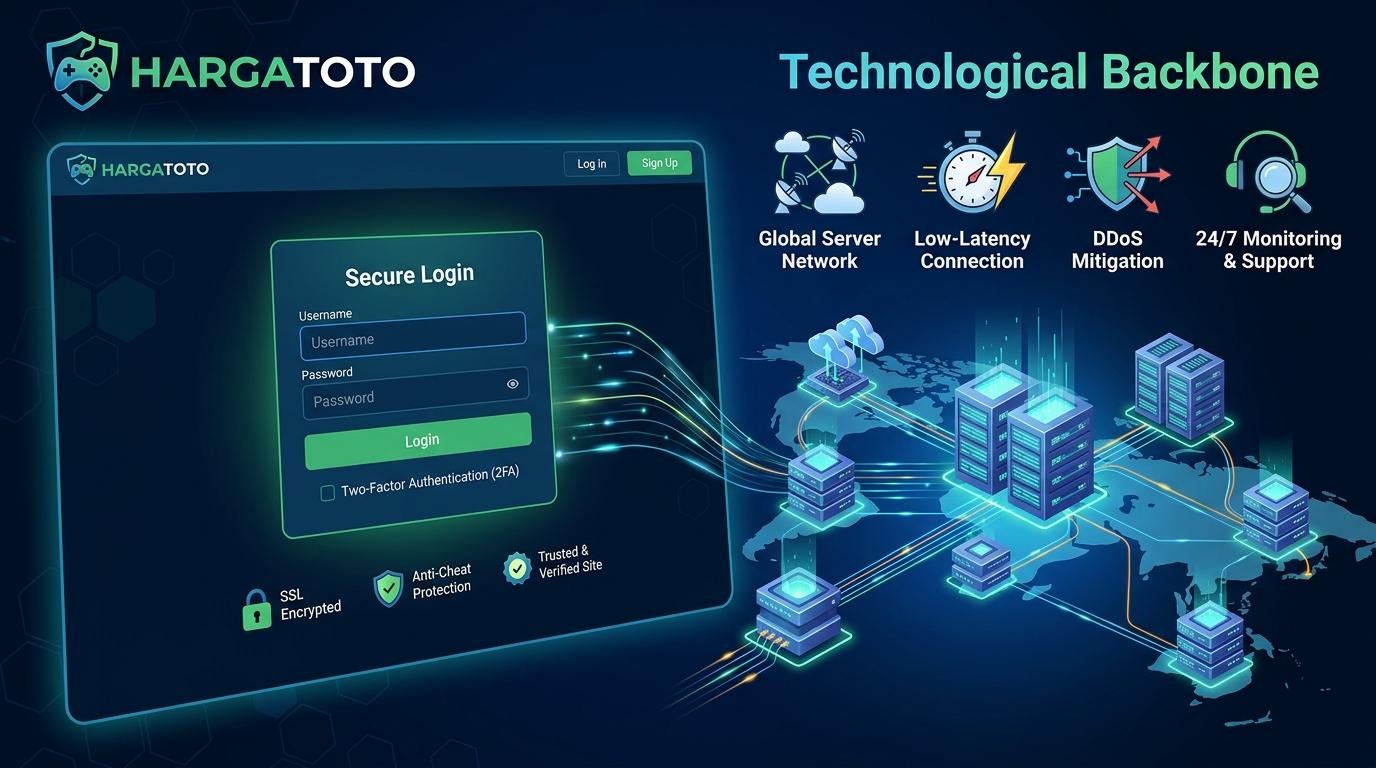
Encryption protocols are strictly applied both to stored data and active transmissions. Transport Layer Security (TLS 1.3) protects incoming and outgoing data packets, while AES-256 encryption secures static database entries. Platforms prioritize these protective layers to establish long-term user confidence; for example, accessing an account via a verified link hargatoto highlights how contemporary web platforms utilize encrypted session protocols to safeguard user credentials without slowing down system access.
Cross-Platform Optimization and User Experience
Today’s digital entertainment consumers expect smooth transitions when moving between desktop browsers, dedicated tablet apps, and mobile viewports. Delivering a consistent user experience across varied hardware profiles requires developers to carefully optimize responsive interfaces and execution logic.
Developing for mobile environments involves managing hardware constraints such as thermal limits, battery draw, and variable processor throttling. To maintain performance across hardware tiers, engineers often build using cross-platform environments such as Flutter or React Native, or leverage WebAssembly (Wasm) within web-based frameworks. WebAssembly allows high-performance languages like Rust or C++ to run within web browsers at near-native speed, enabling advanced dynamic rendering without requiring massive app downloads.
Optimizing asset delivery pipelines is equally essential for maintaining performance on lower-bandwidth mobile networks. Network payloads are streamlined using dynamic code splitting, modern image compression standards like WebP, and background caching through web service workers. These assets load on a prioritized, need-to-use basis, ensuring core interface components load immediately while heavier secondary assets download quietly in the background.
From an interface perspective, user design emphasizes intuitive touch navigation and logical layout structures. Complex options are organized cleanly, keeping essential controls within comfortable reach on smaller mobile displays and ensuring navigation feels natural across screen sizes.
System Resilience and Quality of Service
Maintaining high service availability, often aiming for 99.99% operational uptime, requires proactive monitoring and fault-tolerant architectural design. In distributed systems, individual component issues are inevitable; the goal of resilient design is to prevent isolated failures from affecting the broader network.
Engineers routinely implement circuit breaker design patterns across internal service communications. If a particular microservice experiences elevated latency or unexpected downtime, the circuit breaker safely isolates that service, routing user requests to a backup operational state or cached data until full functionality is restored.
Real-time monitoring tools track system health by analyzing key operational metrics, including memory usage, network throughput, error frequencies, and end-to-end response times. Structured logging and distributed tracing protocols allow engineering teams to quickly pinpoint performance bottlenecks across interconnected software layers.
In addition, content delivery networks (CDNs) continuously monitor regional routing efficiency, automatically redirecting traffic around localized internet outages or server disruptions.
Conclusion
The underlying architecture of modern interactive gaming platforms showcases a sophisticated combination of cloud engineering, edge infrastructure, robust security protocols, and client-side performance optimization. As consumer demand for instant, multi-device access continues to grow, software frameworks will keep adapting to meet higher performance standards. By placing technical reliability, data privacy, and thoughtful user design at the center of development, platforms maintain the balance needed to deliver fast, secure, and engaging digital experiences.